Tuesday, August 25, 2020

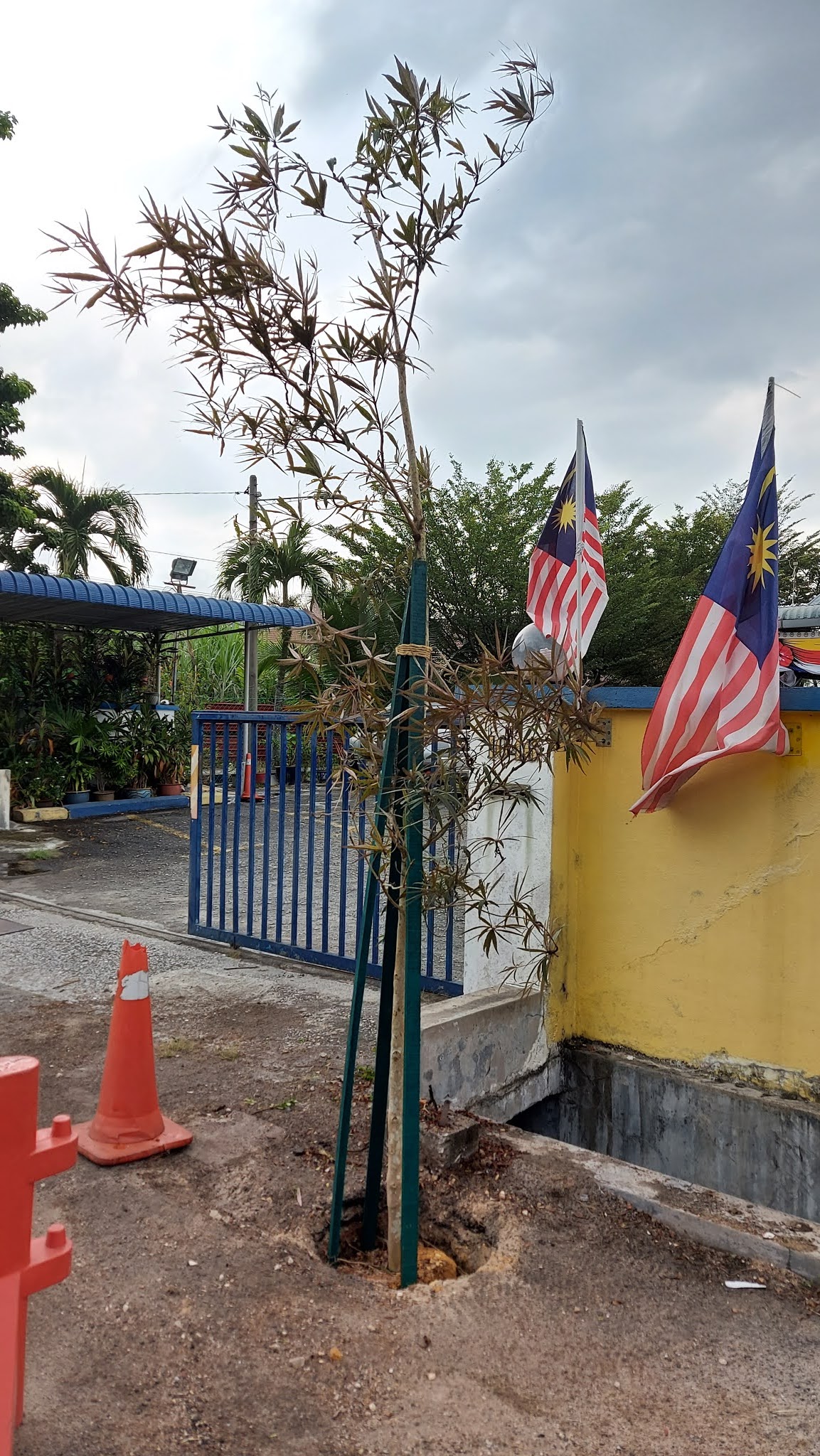
Tree Planting at Rumah Seri Kenangan by Clr. Dr. Richard Ng

26 August 2020

Tree Planting as Part of Ipoh Low Carbon City


Tree Serial Number: ICW-CG-0005/08/20

Name of Tree: Avocado or Persea Americana

Family Name: Lauraceae

Genus:  Persea   

Common Name: Avocado

Height: 20m to 30m

Planted by: YBhg Clr. Dr. Richard Ng, Chairman, Gabungan NGO Prihatin Perak

Date Planted: 26 August 2020

Place: Rumah Seri Kenangan, Ulu Kinta, Perak

Programme name: Program Kebun Komuniti Warga Emas


Tree Planting at Rumah Seri Kenangan By Dato' Rafek Bin Reshidullah

 26 August 2020

Tree planting as part of a bigger plan to make Ipoh a Low Carbon City:


Tree Serial Number: ICW-CG-0004/08/20


Name of Tree: Durian Musang King

Family Name: Malvaceae

Sub-family:  Helicteroideae   

Common Name: Musang King

Height: 25m to 50m

Planted by: YBhg Dato' Rafek Bin Reshidullah, Pengerusi, Lembaga Pelawat Rumah Seri Kenangan

Date Planted: 26 August 2020

Place: Rumah Seri Kenangan, Ulu Kinta, Perak

Programme name: Program Kebun Komuniti Warga Emas

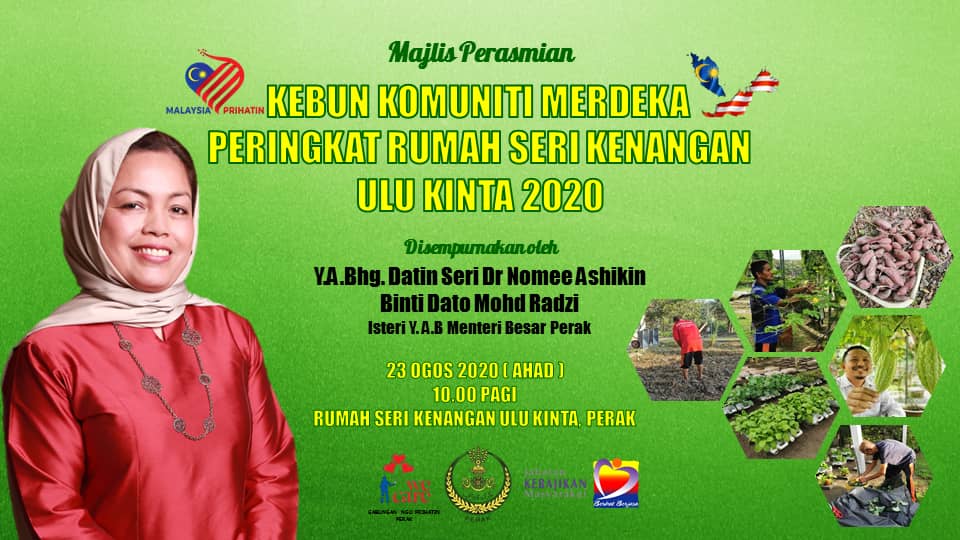
Tree Planting at Rumah Seri Kenangan Ulu Kinta - By YABhg Datin Seri Dr. Nomee Ashikin Binti Dato' Mohamad Radzi

26 August 2020

Tree planting as part of a bigger plan to make Ipoh a Low Carbon City:


Tree Serial Number: ICW-CG-0003/08/20


Name of Tree: Durian Musang King

Family Name: Malvaceae

Sub-family:  Helicteroideae   

Common Name: Musang King

Height: 25m to 50m

Planted by: YABhg Datin Seri Dr. Nomee Ashikin Binti Dato' Mohamad Radzi, wife of Perak Menteri Besar

Date Planted: 26 August 2020

Place: Rumah Seri Kenangan, Ulu Kinta, Perak

Programme name: Program Kebun Komuniti Warga Emas


Wednesday, August 5, 2020

Tree Planting by Dato' Rumaizi Bin Baharin - ICW-MBI-0002/08/20

9 August 2020

Tree Planting as part of making Ipoh as a Low Carbon City and Garden in the City project.

Tree Serial Number: ICW-MBI-0002/08/20

Name of Tree: Red Bucida Buceras

Family Name: Bucida

Common Name: Bucida Buceras (Pokok Doa)

Height: 3.0.m to 7.0m

Planted by: YBhg Dato' Rumaizi Bin Baharin, Mayor of Ipoh City

Date Planted: 9 August 2020

Place: Pusat Rela Pasir Pinji, Jln Sultan, Pasir Pinji, Ipoh, Perak

Programme: Program Gotong Royong Pembersihan Merdeka Zon Pasir Pinji


Tree Planting by YB Dato Nolee Ashilin Binti Dato' Mohamad Radzi - ICW-MBI-0001/08/20

9 August 2020

Tree Planting as part of making Ipoh as a Low Carbon City and Garden in the City project.

Tree Serial Number: ICW-MBI-0001/08/20

Name of Tree: Red Bucida Buceras

Family Name: Bucida

Common Name: Bucida Buceras (Pokok Doa)

Height: 3.0.m to 7.0m

Planted by: YB Dato' Nolee Ashilin Binti Dato' Mohamad Radzi, Perak Exco

Date Planted: 9 August 2020

Place: Pusat Rela Pasir Pinji, Jln Sultan, Pasir Pinji, Ipoh, Perak

Programme: Program Gotong Royong Pembersihan Merdeka Zon Pasir Pinji


Saturday, July 11, 2020

Recycling: How long does it takes for Plastic Bottles and Aluminium Can to Decompose?

Please play your role to save our only planet Earth. Thin Before you Throw. Here are top 10 trash that take the longest time to decompose:


10 Types of Trash that take the Longest to Decompose

At Ecology Recycling & Transportation Services, our passion is providing recycling resources across Southern California, as well as the Western United States. While we try to do our part to contribute to a green planet, we have noticed that when people do not recycle and instead throw out trash that ends up in landfills, it is generally due to the fact that they are unaware how long it actually takes for everyday materials to decompose in landfills. As we know, this has a terrible impact on the planet. Below, we present to you the 10 types of common trash that take the longest to decompose.

1. Plastic Bags

Despite the awareness raised about the environmental dangers caused by plastic waste, particularly in Southern California, there are still plenty of people who use plastic bags. We are still offered the option of having our items bagged in plastic at most grocery stores of course. Unfortunately, people tend to throw out their used and unwanted plastic bags in the garbage instead of returning them to the grocery store for recycling. It takes these bags anywhere from 10-1000 years to decompose in landfills!

2. Plastic Bottles


Be it a simple water bottle you buy at a festival, or a Gatorade bottle from the convenience store, plastic bottles take a major toll on our environment, and should always be recycled. When left to rot in a landfill, it takes plastic bottles about 450 years to decompose.

3. Aluminum Cans


Aluminum cans are one of America’s favorite items to recycle. But at the same time, enough cans are thrown away in the trash within a three-month period to rebuild the U.S. commercial air fleet! Yes, that is a lot of cans! It also takes them about 80-200 years to decompose in a landfill.

4. Paper Waste

Many of us throw out paper trash when we should be recycling it. In fact, it just so happens to take up the most space in landfills. Can you imagine what it would be like if we all were better at recycling our paper waste? It only takes about 2-6 weeks for paper waste to decompose in landfills, and while that is quicker than most waste, it hardly matters since more paper waste is continuously being added to landfills.

5. Foam


Because foam is so well known for being a major drain on the environment, it is luckily disappearing from our everyday lives. But not quick enough! We still use foam cups for hot beverages, and we still receive foam padding in the boxes of large appliances. It takes about 50 years for a foam cup to decompose.

6. Rubber Boot Soles

Except for few, eco-minded brands, most shoe manufacturers put rubber soles on the bottom of their sneakers and boots. And of course, when we toss old shoes away, they end up in a landfill. It takes about 50-80 years for rubber boot soles to decompose!

7. Milk Cartons

Milk cartons are made with paperboard, as well as an insulating layer of polyethylene plastic and a dash of shelf-stable-friendly aluminum. This is terrible for the environment, and when thrown away, milk cartons take about 5 years to decompose.

8. Nylon Fabric

Nylon fabric is mainly a utility fabric, used in many sports-related items, as well as craft projects. But when trashed, nylon fabric takes 30-40 years to decompose.

9. Batteries

There are so many different types of batteries, which we rely on daily to keep our items, as well as ourselves, on-the-go. But when we toss out the everyday batteries we use, it takes them about 100 years to fully decompose.

10. Styrofoam


Styrofoam, a foam cup’s big ugly brother! It is made with polystyrene, a petroleum-based plastic, so it is not remotely sustainable. Just like with tin foil, Styrofoam does not biodegrade, meaning it just takes up space in landfills.

Tuesday, April 23, 2019

SMK Main Convent Interact Club Organise Environment Awareness Camp in Conjunction with World Earth Day 2019

April 21 2019


Dr. Richard Ng is assisted by Ms Koghi in planting a tree


200 interactors from various schools in Ipoh converged at SMK Main Convent, Ipoh, Perak to participate in the Environment Awareness Camp. The event was organised by the Interact Club of SMK Main Convent led by its President, Soneeta Kaur and Community Service Director, Dharushini Subramaniam. The interactors taking part in the event include SMK Main Convent, SMK Anderson, SMK St. Michael, SMK Anglo Chinese School, SMK Perak Girls School and SMK Methodist Girls School.

Group photo with interactors who took part in the separation of recyclables 

The event was graced by Mr. Francis Martin who is the incoming President of Ipoh Rotary Club. Presents in the event include guest speaker Associate Professor Dr. Richard Ng, Chairman of KOHIJAU and Ipoh City Watch and wife Mdm Tina Leong, an alumni of SMK Main Convent. Others include teacher advisers Miss Koghilawati and Mdm Tee Sim Mei and Parent Teacher Adviser representative, Mr. S. S. Pannir.

From left: Pannir, Dr. Richard Ng, Mdm Tina Leong, Mr, Francis Martin, Ms Koghi, Mdm Tee, Dharushini Subramaniam and Ms Soneeta Kaur

The highlight of the event is a talk on “Global Warming and What We Could Do to Save Our Planet” by Associate Professor Dr. Richard Ng, Chairman of Ipoh City Watch/KOHIJAU. In his talk, Dr. Richard Ng spoke about World Earth Day which is celebrated throughout the world in 192 countries and participated by over 1 billion people each year on April 22. The theme of this year’s World Earth Day is “Protect Our Species’, which gels well with the camp’s theme “When we heal the Earth, we heal ourselves.”

One for the album. Group photo with all the participants of Environment Awareness Camp

Dr. Ng reminded all the interactors of the objective of the camp and their responsibilities to help ensure we do something to protect the Earth and all the living species. This can be achieved if we reduce garbage especially plastics from going to the landfill as plastics take more than 500 years to decompose. Methane gas released from plastics will cause temperature to rise 20 times higher than CO2, thus affect the greenhouse gas composition which absorb the infrared radiation and increase global warming.

He advised all the interactors to embrace the 3R culture of Reduce, Reuse and Recycle in order to help reduce carbon footprint which is a measure of the greenhouse gas. He also gave tips on how interactors can reduce carbon footprint by saying no to plastics such as plastic straws, utensils, food packaging and shopping bags. He advised the student to inform their parents to bring their own reusable bags when doing shopping. Plastic bags from the shops should not be used to pack garbage but instead they should use oxo-biodegradable plastic bags which can decompose at a shorter period.

Tree planting session

Besides practicing 3R, he urges everyone present to plant trees as tree will absorb carbon dioxide and realease oxygen to balance the greenhouse gas. By recycling 1,000 tonnes of papers we can help save 18 trees from being chopped down in the forest.


According to Miss Soneeta who is the Interact Club President, the event was a success with participation from about 200 fellow interactors. They were fortunate to have Dr. Richard Ng, who is an award winning NGO social activist in climate change as their guest speaker for their environment programme to help them understand the importance of healing the earth by protecting the environment. By doing that we can become satisfied and heal our pain through reducing the suffering by others including all living things on this planet.

After the talk, all the invited guests and interactors plant trees within the school compound followed by plogging and other upcycling activities.